CLOVELLY HOUSE, 2017
-
-
Item description
-
-
-
-
-
Project Brief & Design Intent
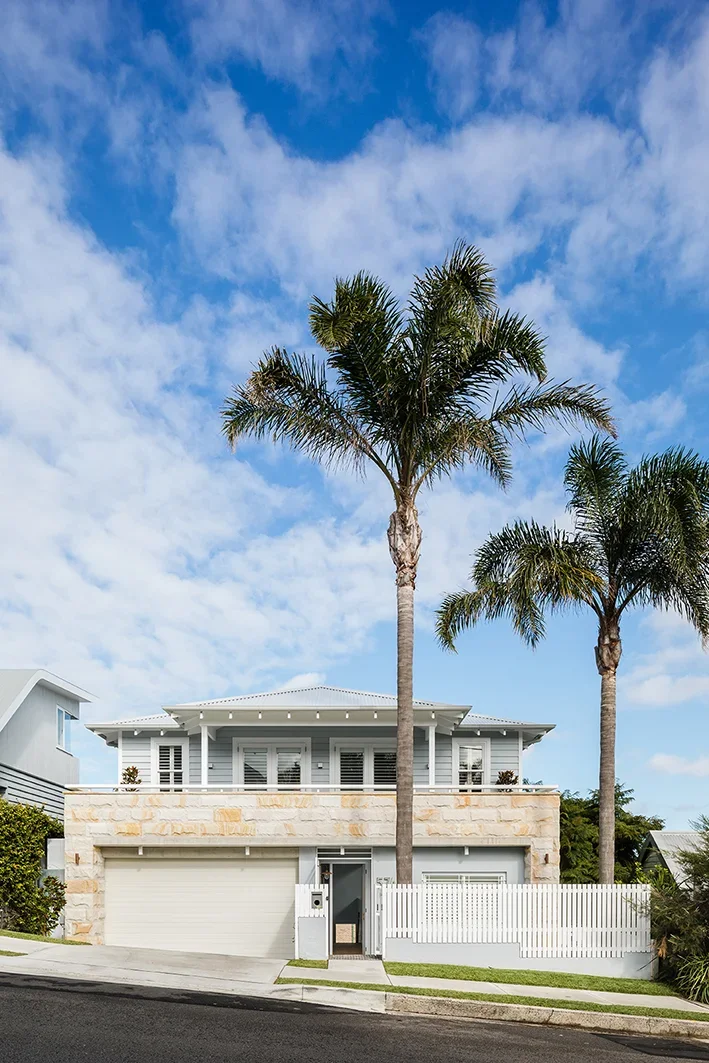
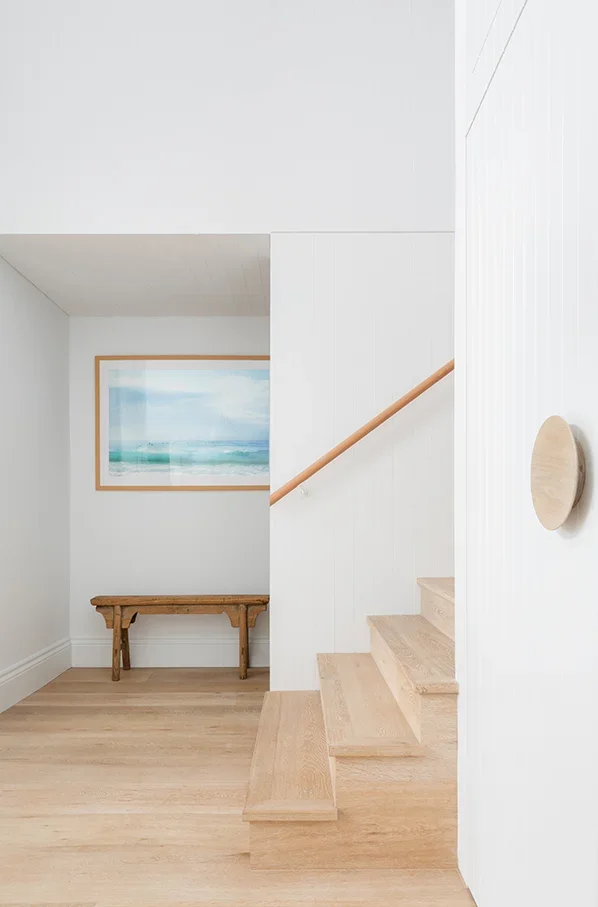
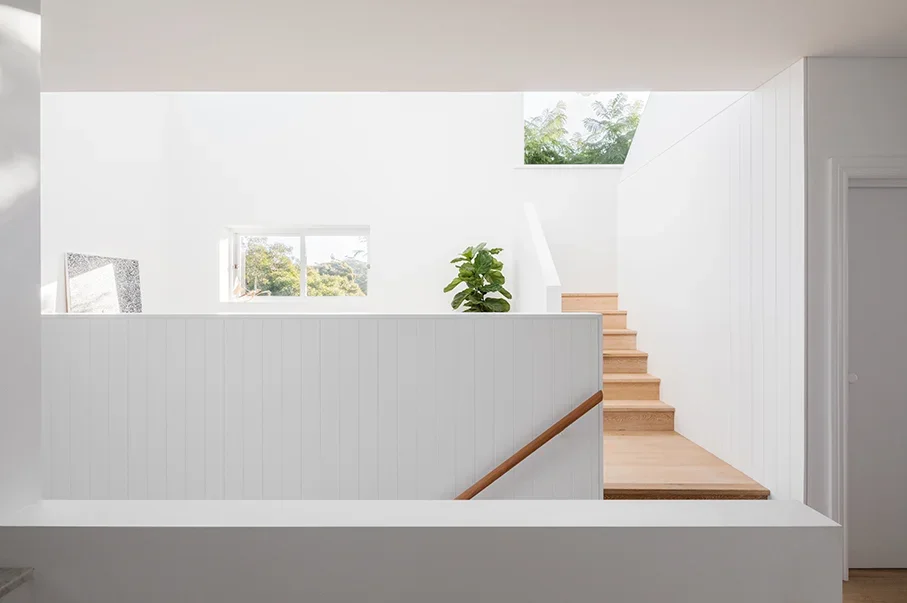
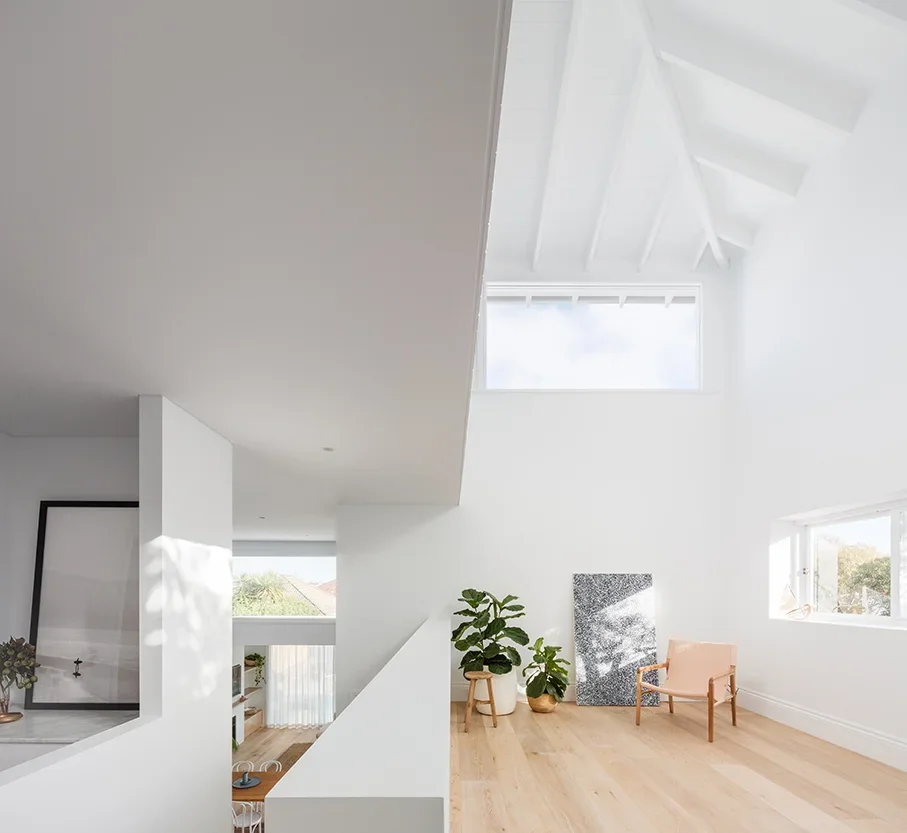
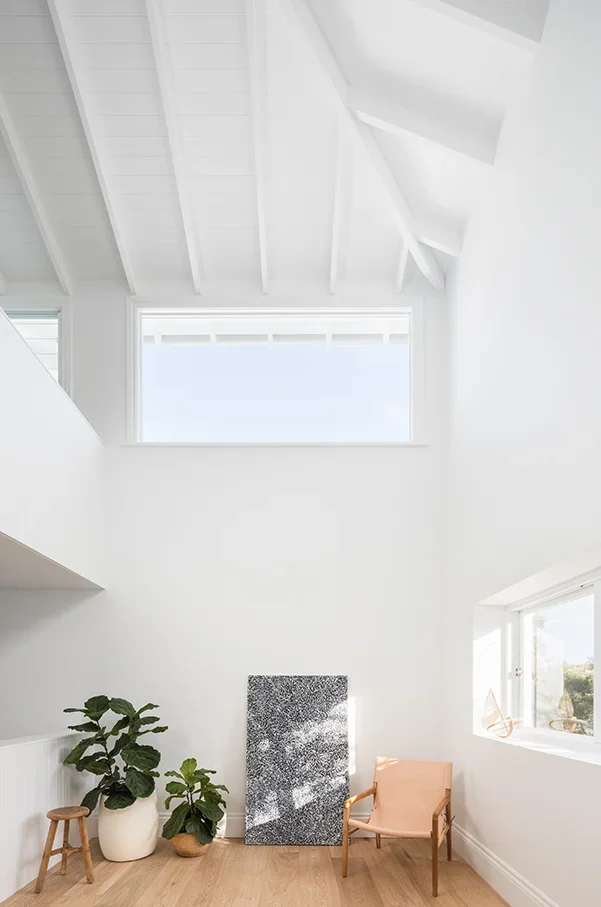
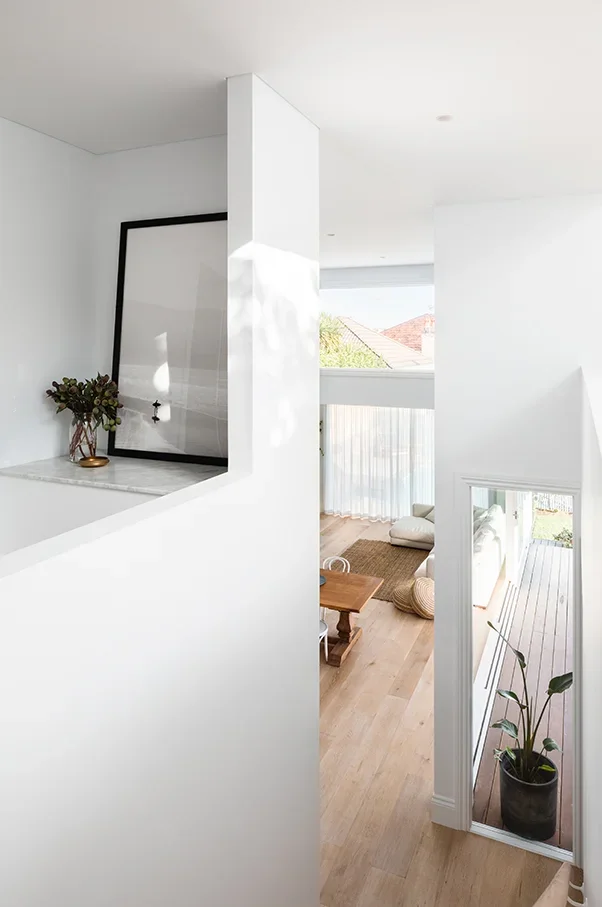
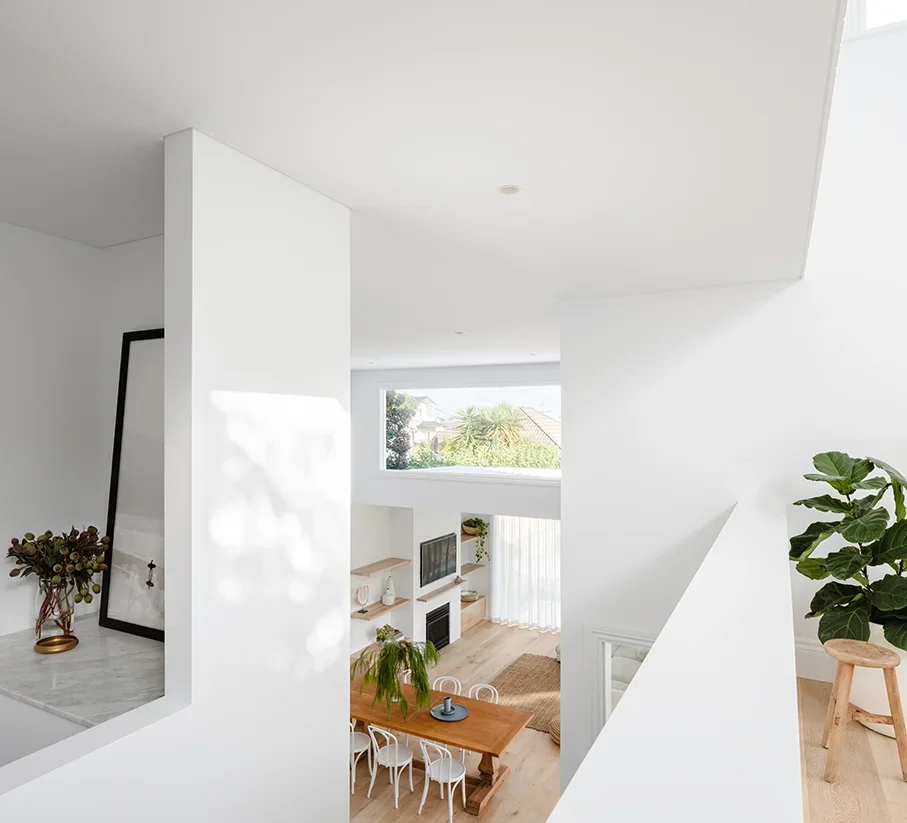
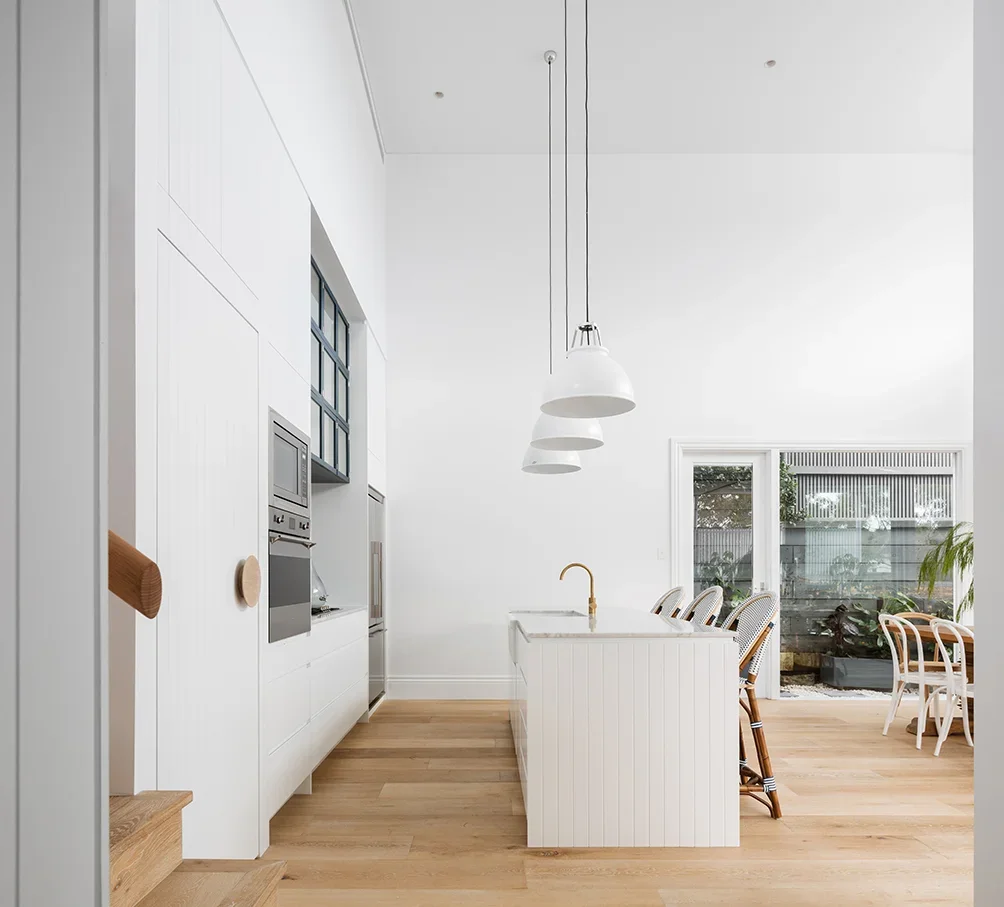
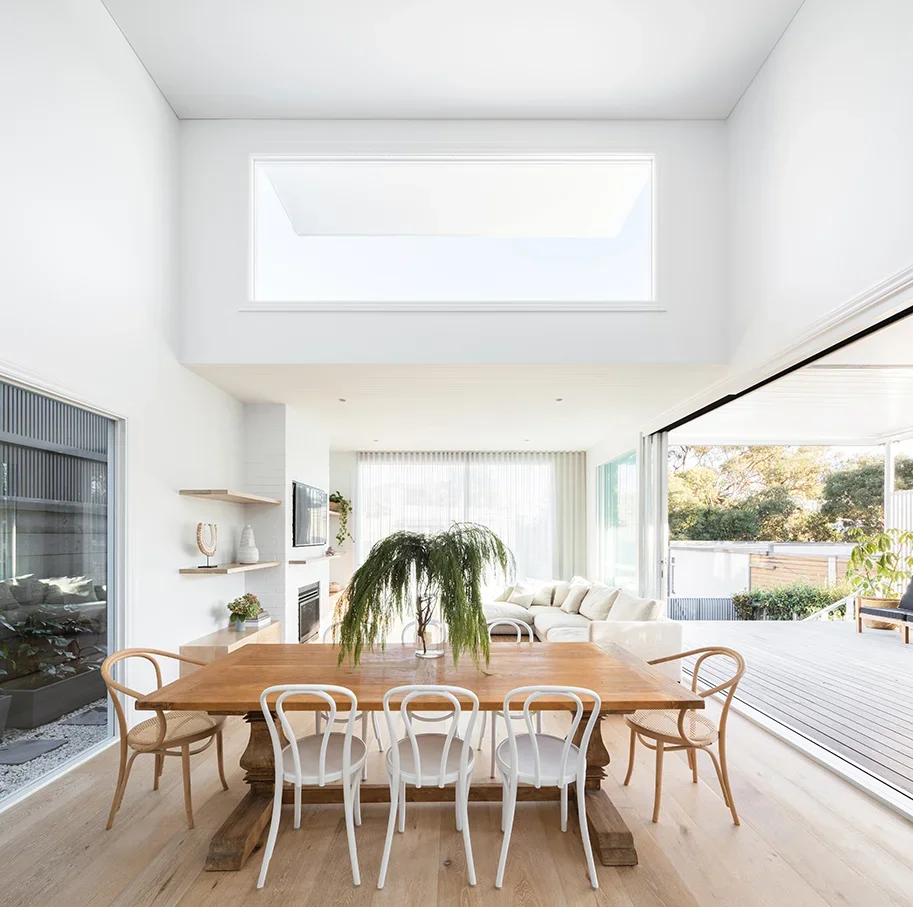
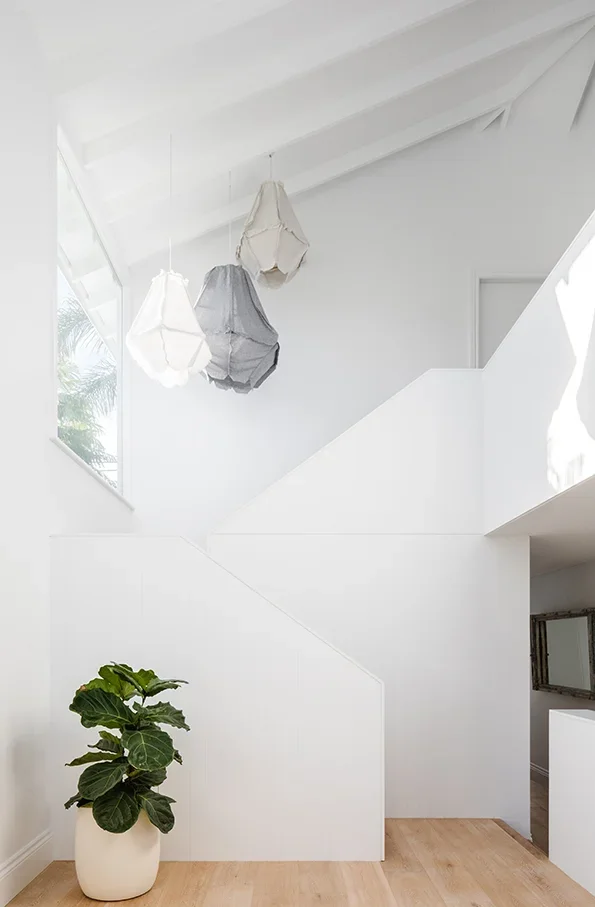
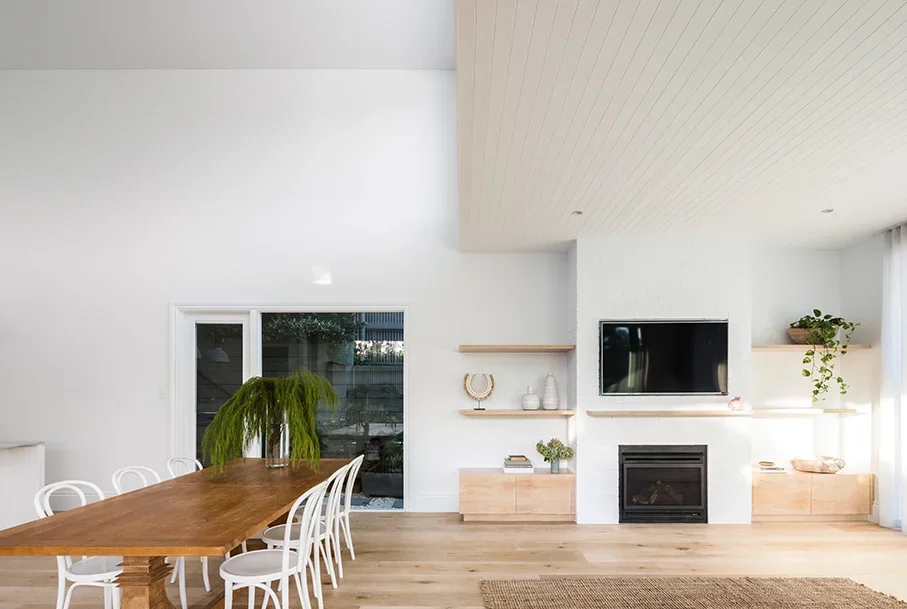
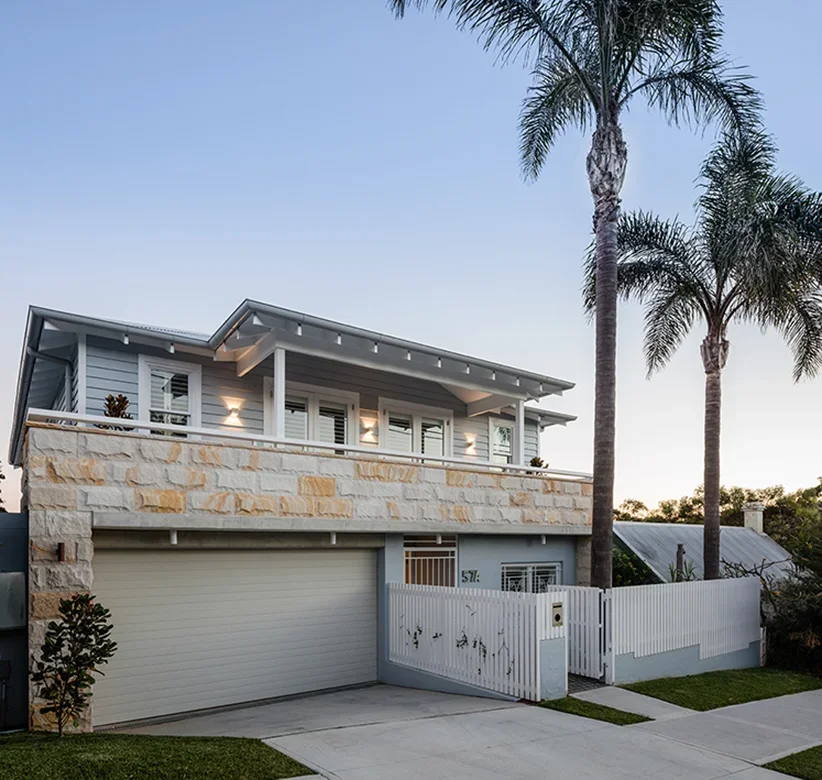
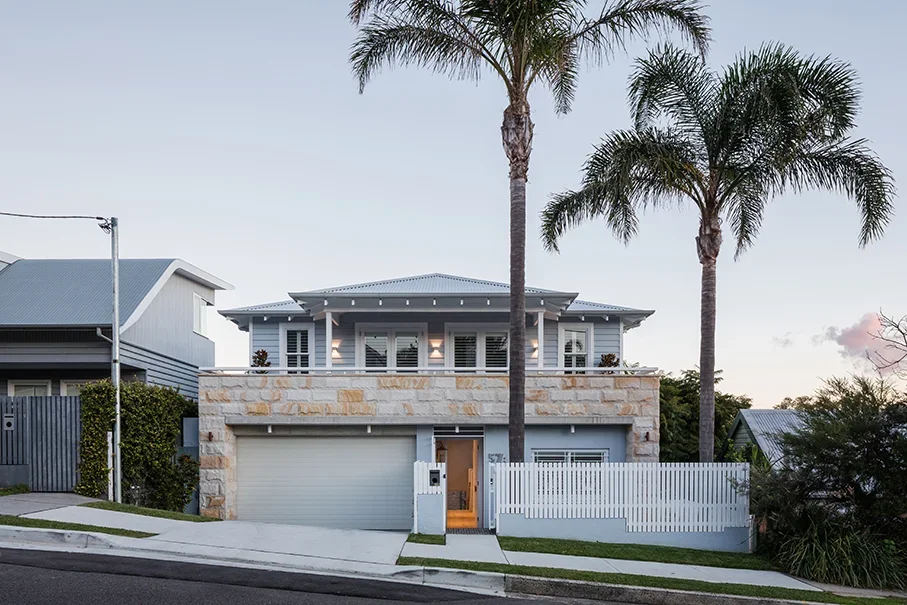
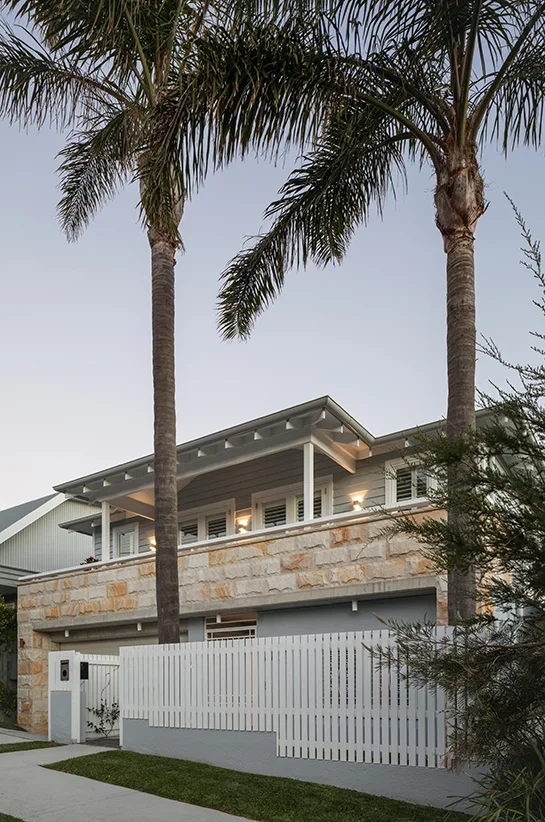
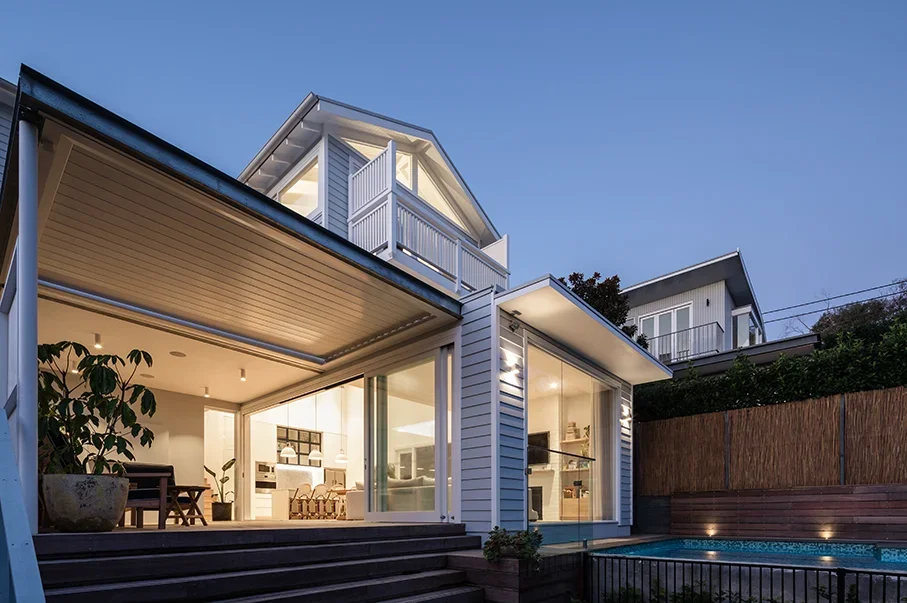
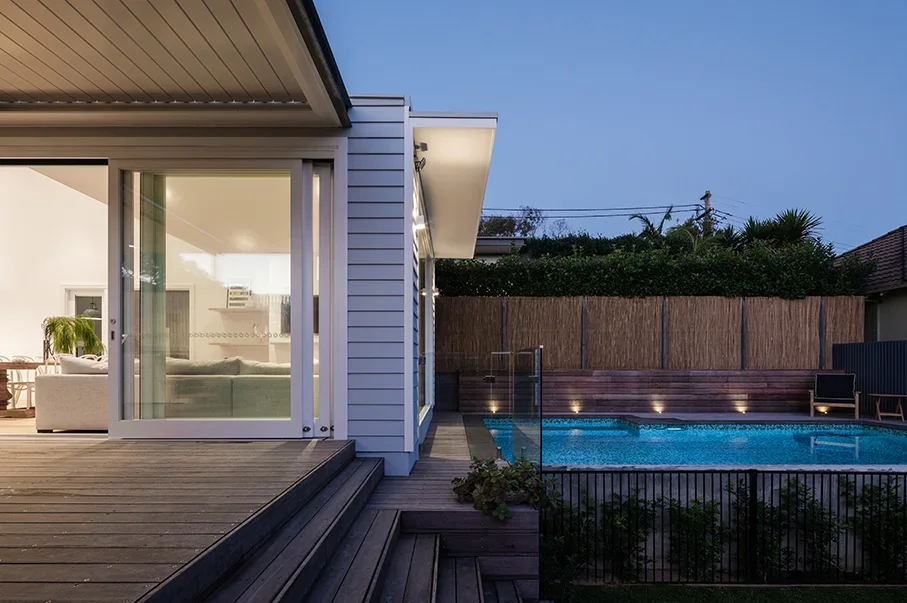
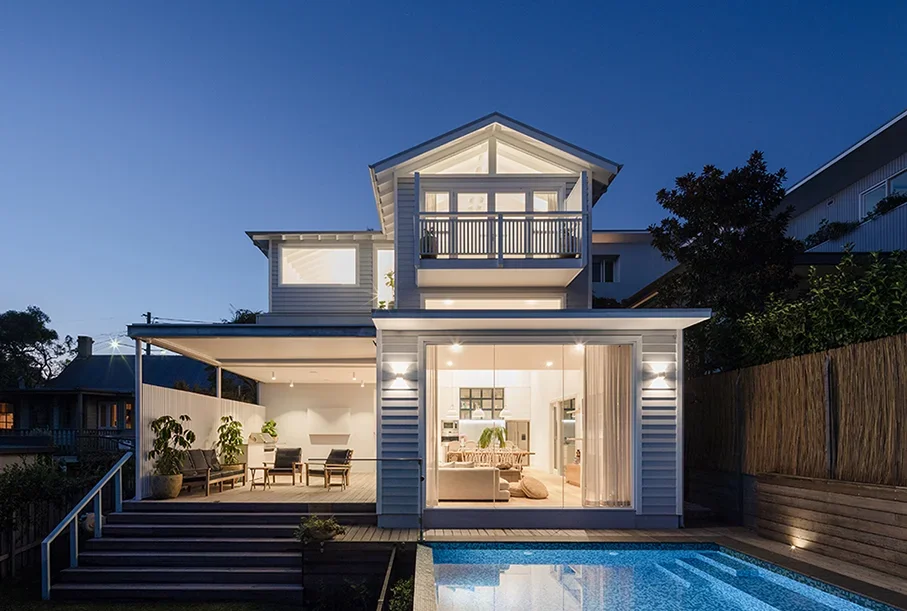
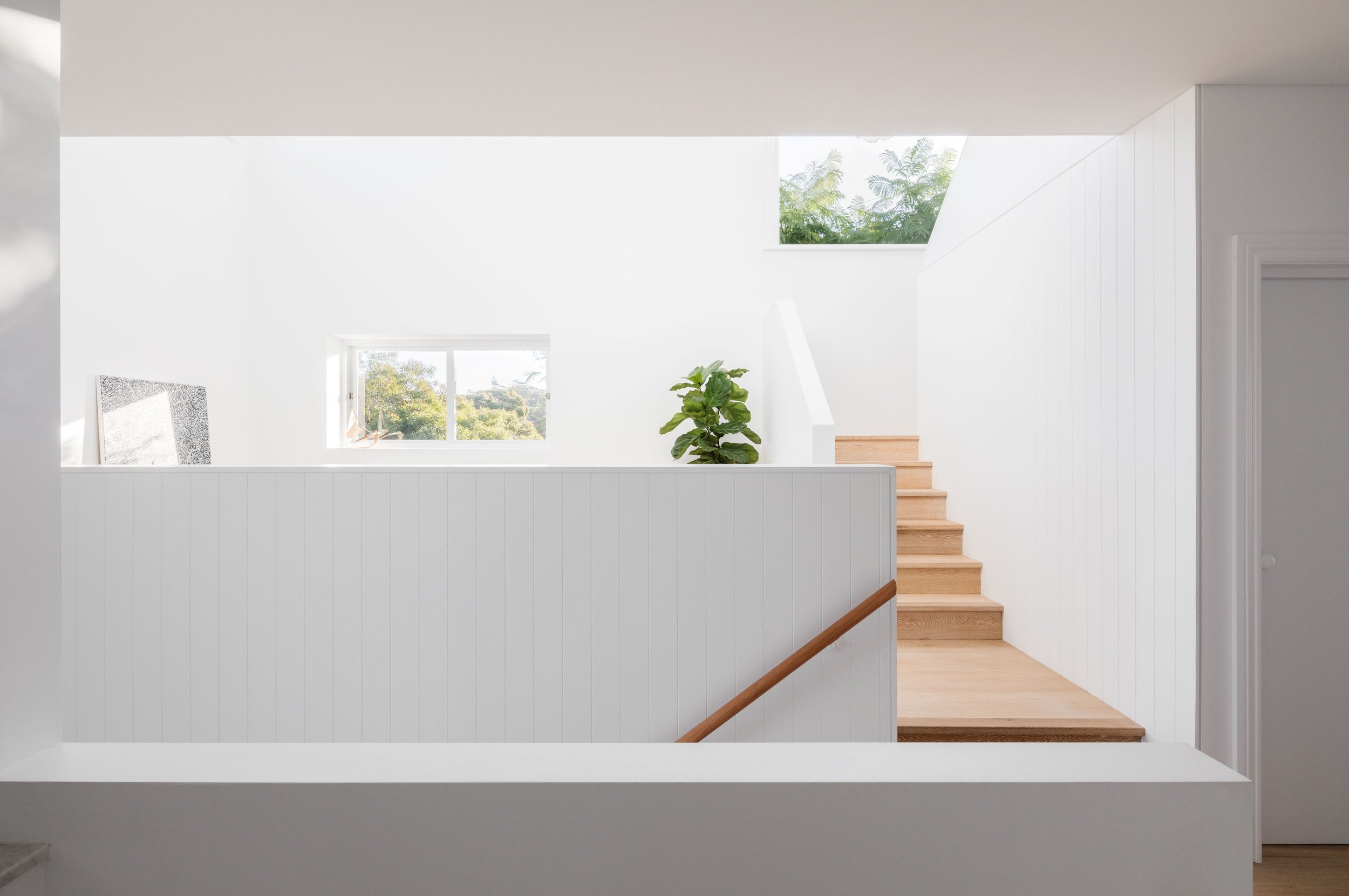
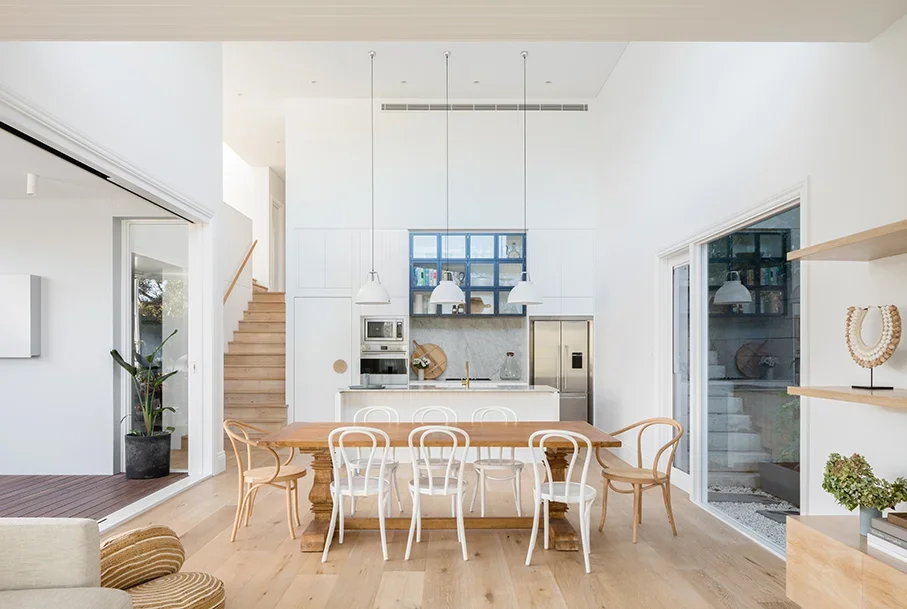
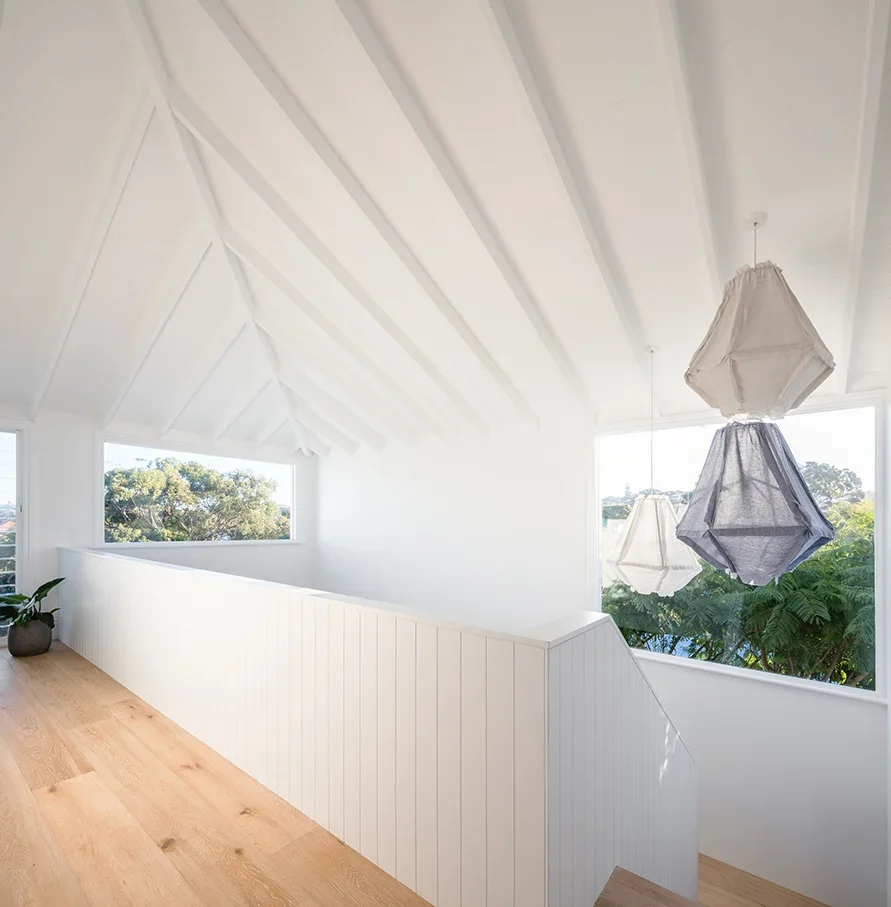
Clovelly House involved the transformation of the owner’s original childhood cottage into a contemporary family home better suited to modern living. The existing structure was partially demolished and reworked into a three-level residence with a pool, while retaining key elements that reference the home’s original character. Exposed rafters, sandstone cladding and traditional roof forms were preserved or reinterpreted, maintaining the cottage’s historic charm within a more contemporary framework. Internally, new timber floors, vaulted ceilings and large openings introduced greater light, openness and improved connections to outdoor spaces.
Construction & Craftsmanship
The construction of Clovelly House required a careful and considered approach, balancing the retention of the original cottage with the introduction of substantial new works. Partial demolition and rebuilding were undertaken to accommodate the new three-level arrangement, demanding close coordination to ensure structural continuity and consistency across the house.
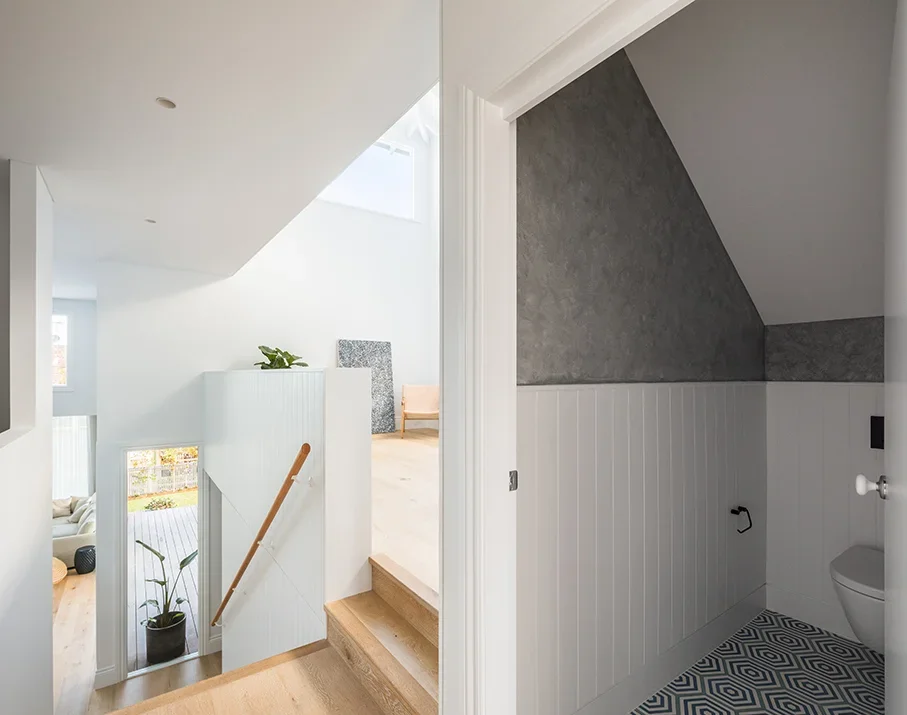
Integrating contemporary construction within the retained fabric of the original home required particular attention to transitions, junctions and changes in level. The relationship between old and new elements was carefully resolved so that additions did not read as separate interventions, but as part of a cohesive and unified whole.
Throughout the build, craftsmanship focused on achieving clarity and continuity — ensuring that material changes, structural connections and spatial shifts were handled with restraint and precision. This measured approach allowed the character of the original cottage to remain legible, while supporting the delivery of a functional, robust and contemporary family home suited to long-term living.

Material Palette
Material selection balanced the retention of the original cottage character with contemporary finishes suited to modern family living.
→ Sandstone Cladding: Retained externally to preserve the home’s traditional coastal identity and connection to the original cottage.
→ Exposed Rafters: Maintained internally as a key feature, reinforcing the character and memory of the original structure.
→ Engineered Timber Flooring: Introduced to add warmth, durability and continuity across living spaces.
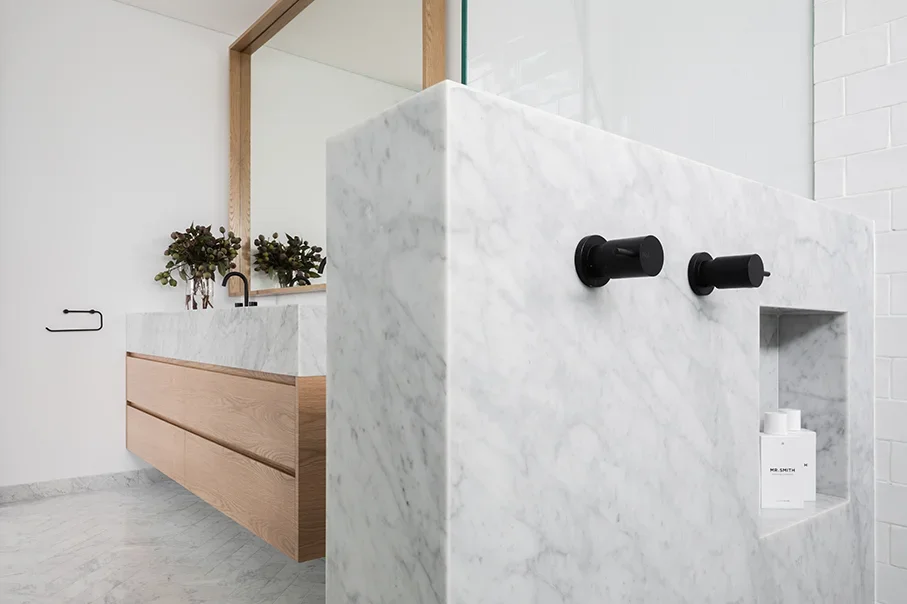
→ Marble Bathrooms: Selected for their refined appearance and long-term performance.
→ Lining Boards & Vaulted Ceilings: Used to enhance light, height and spatial openness.
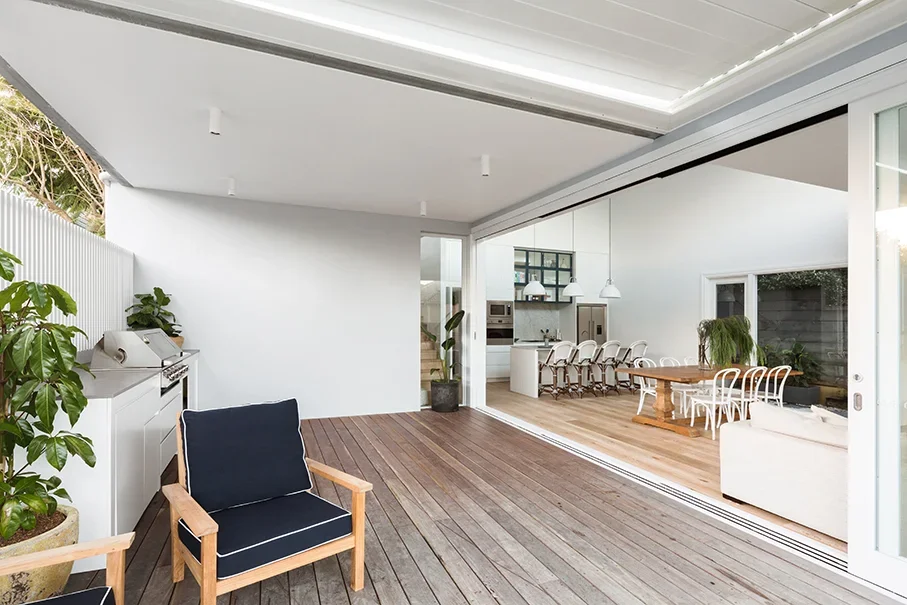
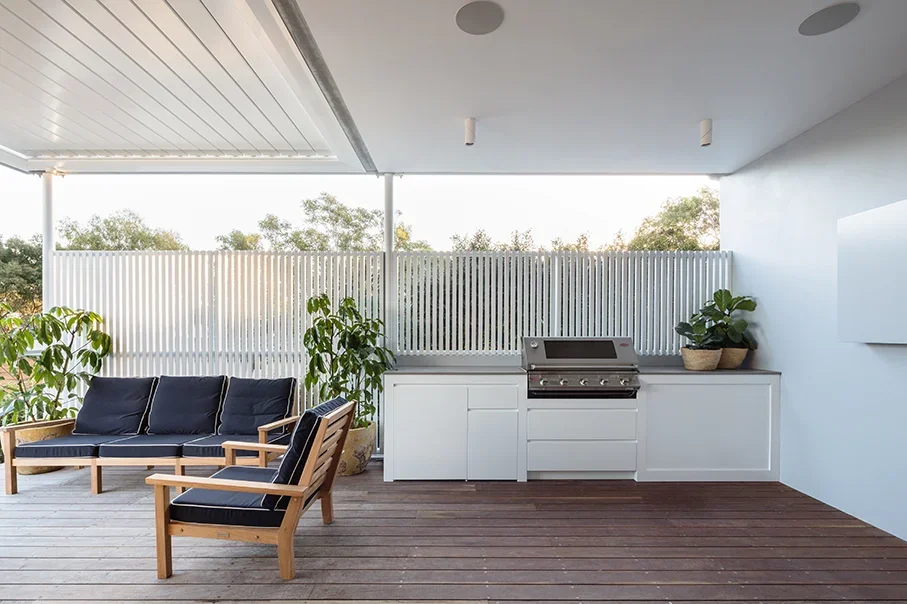
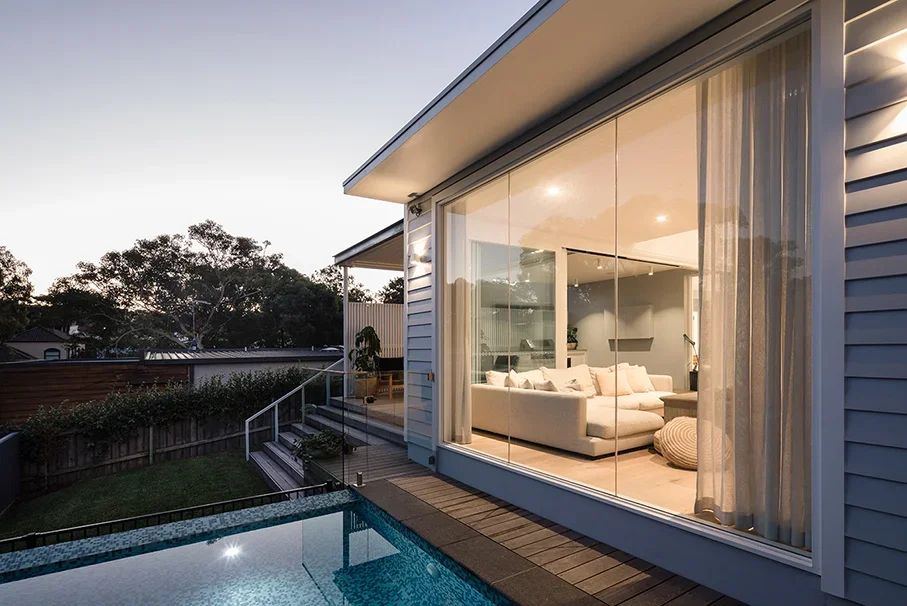
→ Hardwood Decking & Large Openings: Strengthen indoor–outdoor connections, improving light, ventilation and everyday usability.
Together, these materials allow the home to retain its original character while supporting a more open, light-filled and functional contemporary family environment.

Outcome
Clovelly House successfully transformed a much-loved childhood home into a contemporary family residence while retaining the defining elements of its original character. The completed project delivers increased space, improved functionality and stronger connections to outdoor living, balancing heritage reference with modern comfort.
The project was recognised as a Winner at the Randwick City Architecture and Urban Design Awards 2017, acknowledging the quality of the design outcome and the successful integration of traditional character with contemporary living requirements.