
The Meaning of Home: A Sustainable Family Residence
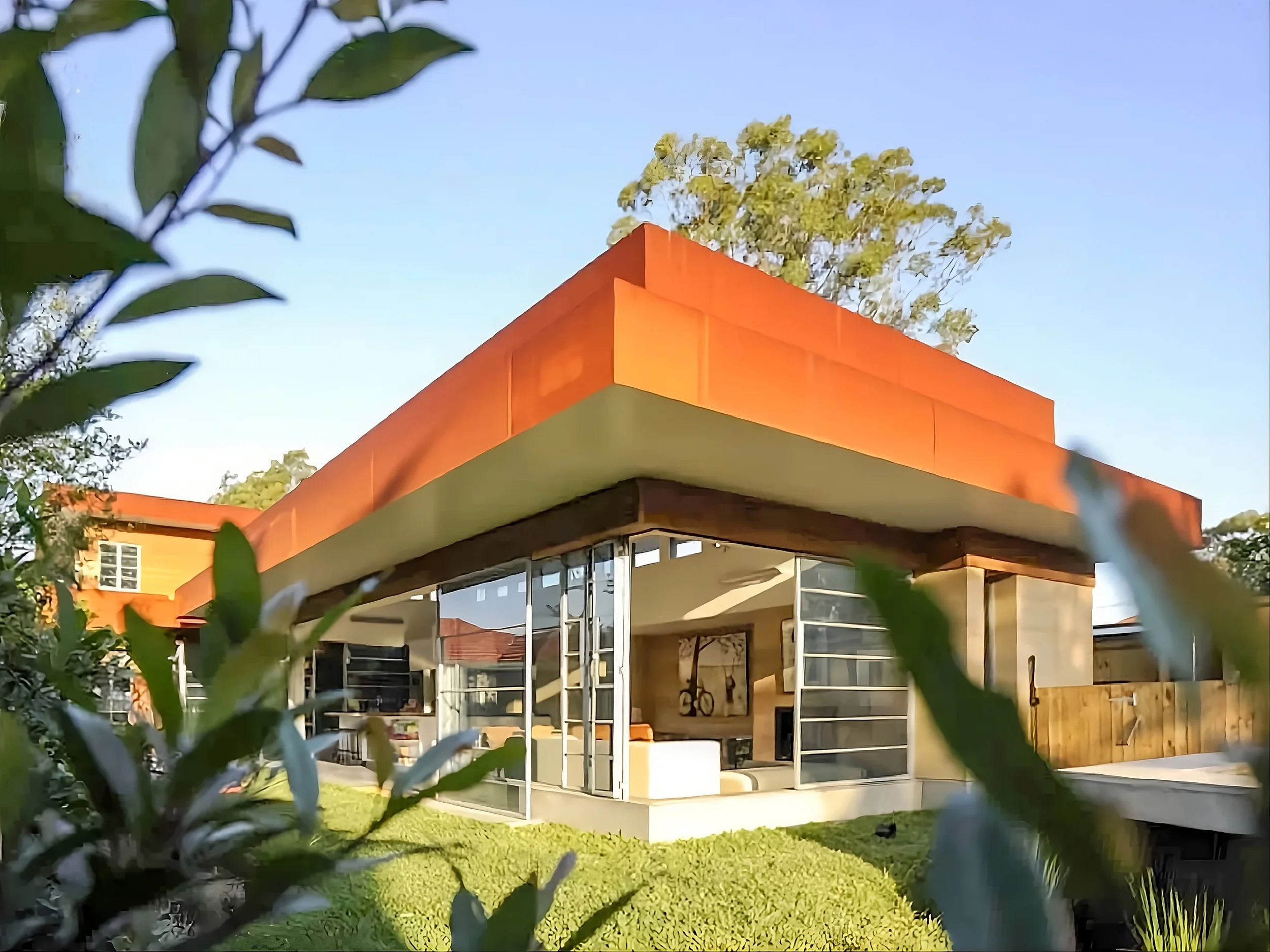
Rear extension of a renovated 1940s bungalow, where large glazed openings and a deep roof overhang connect the interior living spaces to the surrounding garden.
A feature in BuildHome takes a closer look at a family home shaped by privacy, environmental sustainability and everyday living.
Designed by Sarah FitzGerald and built by To The Mil, the project transforms a 1940s-era brick bungalow into a private yet light-filled residence surrounded by lush greenery. The article explores how the design responds to the realities of family life while carefully considering the home’s relationship to its site, neighbours and broader environment.
Where possible, the original house was retained and adapted. A bedroom, studio and bathroom were added upstairs, while the former kitchen and laundry were removed to make way for a new kitchen and open-plan family and dining area at the rear. Materials from the original structure were salvaged and reused throughout the project, including bricks from demolished walls and timber milled on site for internal joinery.
Environmental performance was central to the design. Passive solar control informed the planning of each room, while the house also incorporates rammed-earth walls, e-glass windows, concrete slab floors for thermal mass, solar hot water, photovoltaic cells and hydronic heating. The result is a home that balances comfort, privacy and sustainability with a strong sense of warmth and openness.
Project Highlight
Family living shaped by sustainability: This project brings together adaptive reuse, passive solar design and recycled materials to create a home that feels both deeply practical and quietly generous.
The article offers a closer look at the design thinking, environmental strategies and family-focused planning behind the home.