LOVETT BAY HOUSE, 1994
-
-
Item description
-
-
-
-
-

A formative project
Lovett Bay House was not a TO THE MIL project, but it belongs in the story of how Liam Flood came to understand architecture, construction and the discipline required to bring a finely resolved house to life.
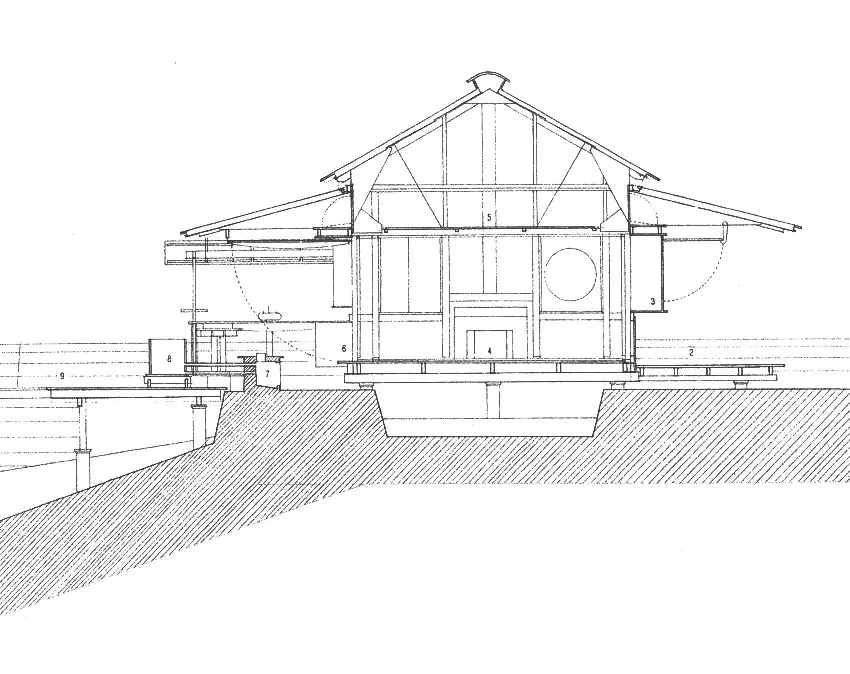
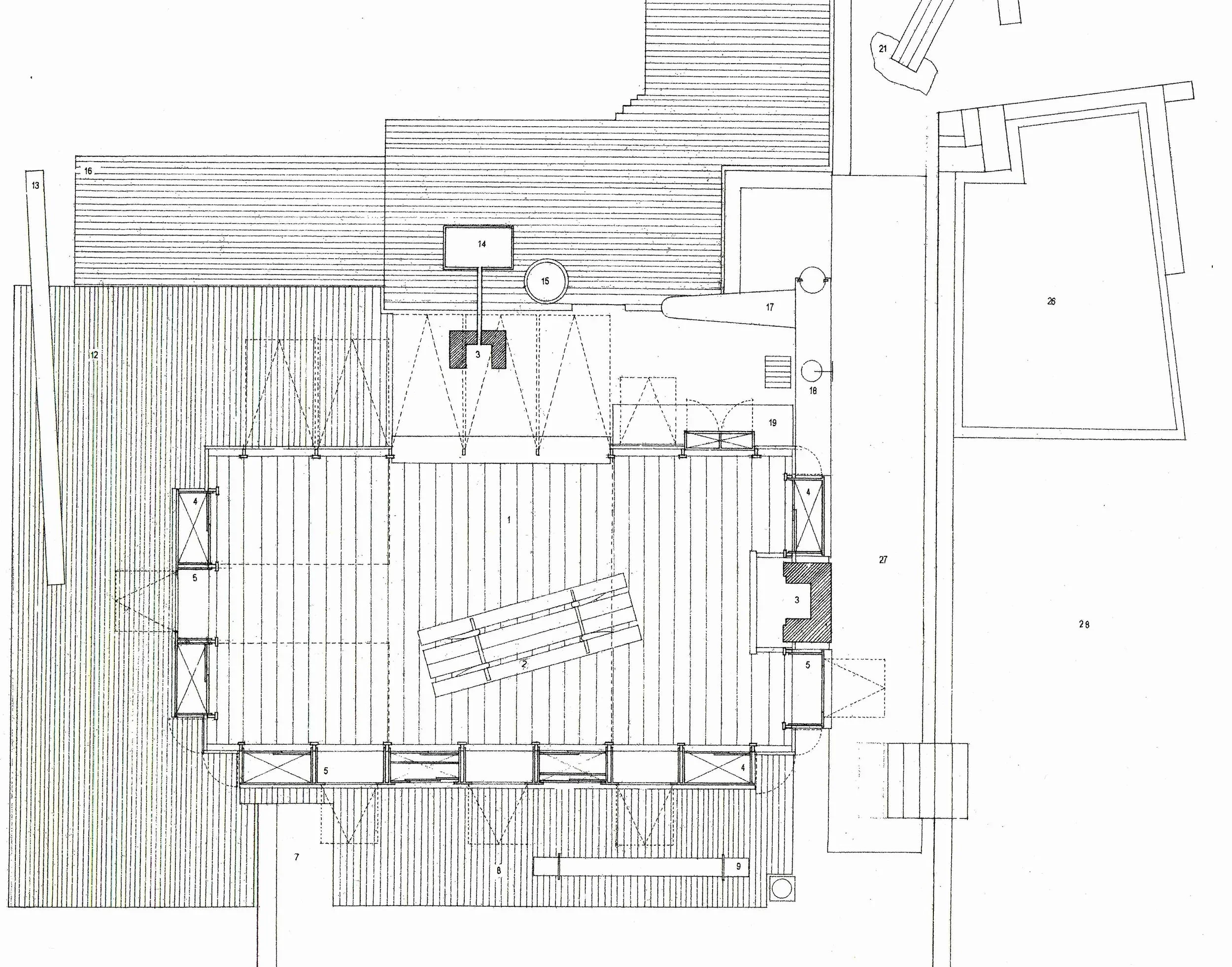
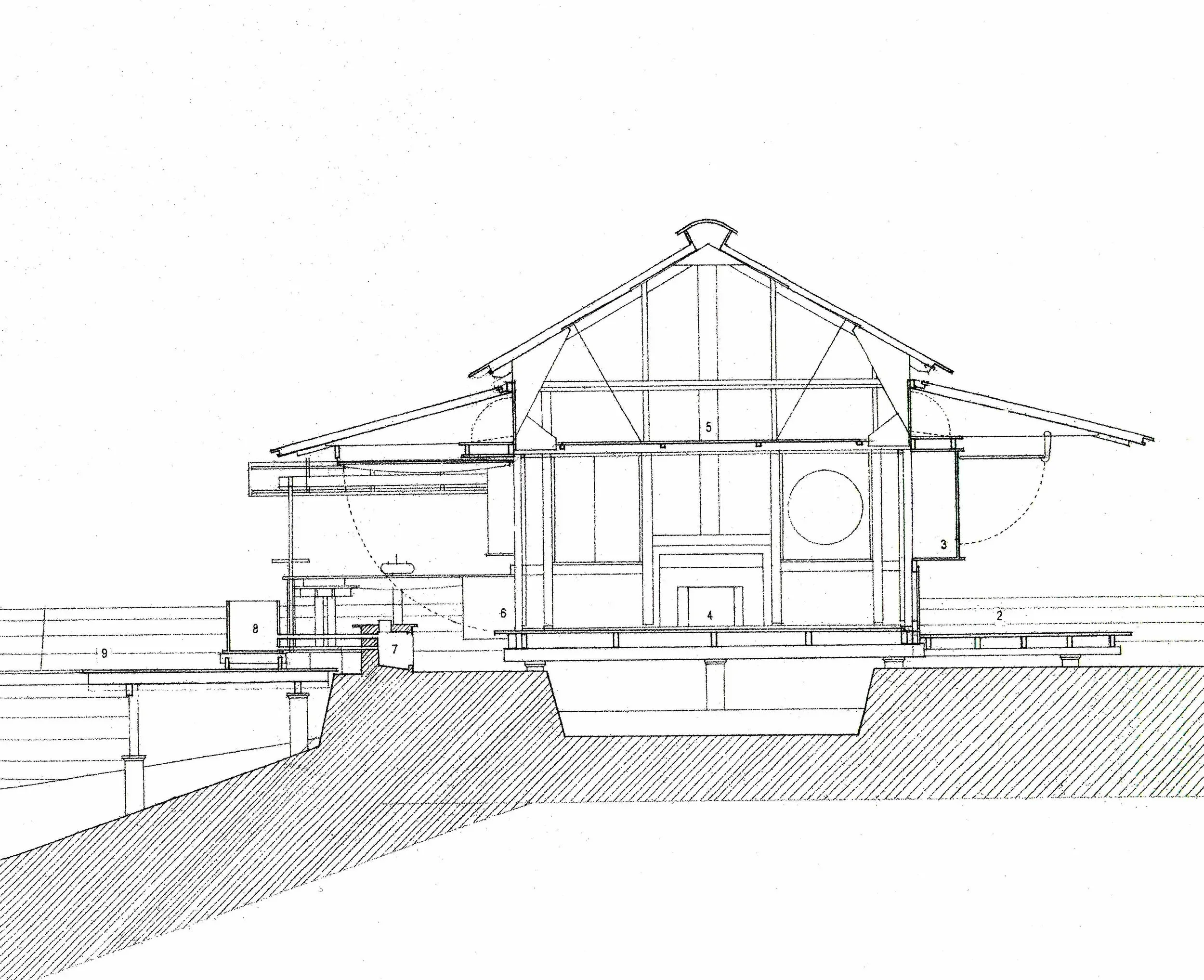
Designed by Richard Leplastrier as his own home, the house sits in Lovett Bay on Pittwater — a place shaped by water, trees, cliffs and tide. It is a small house, but not a simple one. Its strength comes from restraint: a central room, a broad overhanging roof, timber structure, and a direct relationship with the landscape around it.
For Liam, working on Lovett Bay House was an early encounter with a very particular kind of architectural thinking. The project was not about size or display. It was about judgement — knowing how much to do, what to leave alone, and how to make every part of the work serve the house.

Building in a remote place
The site could only be reached by water, which changed everything.
Every material had to arrive by boat. Nothing could be treated casually. Weight, sequence, handling, storage and assembly all mattered before the work even reached the site.
This shaped the construction. The building had to be light, direct and carefully put together. There was little room for excess, and very little tolerance for poor planning. A remote site asks different questions of a builder: how will this arrive, how will it be lifted, how will it be joined, and how will the work move forward without disturbing the place more than necessary?
That kind of project teaches discipline quickly. It rewards clear thinking and punishes assumption.
Working with Richard Leplastrier
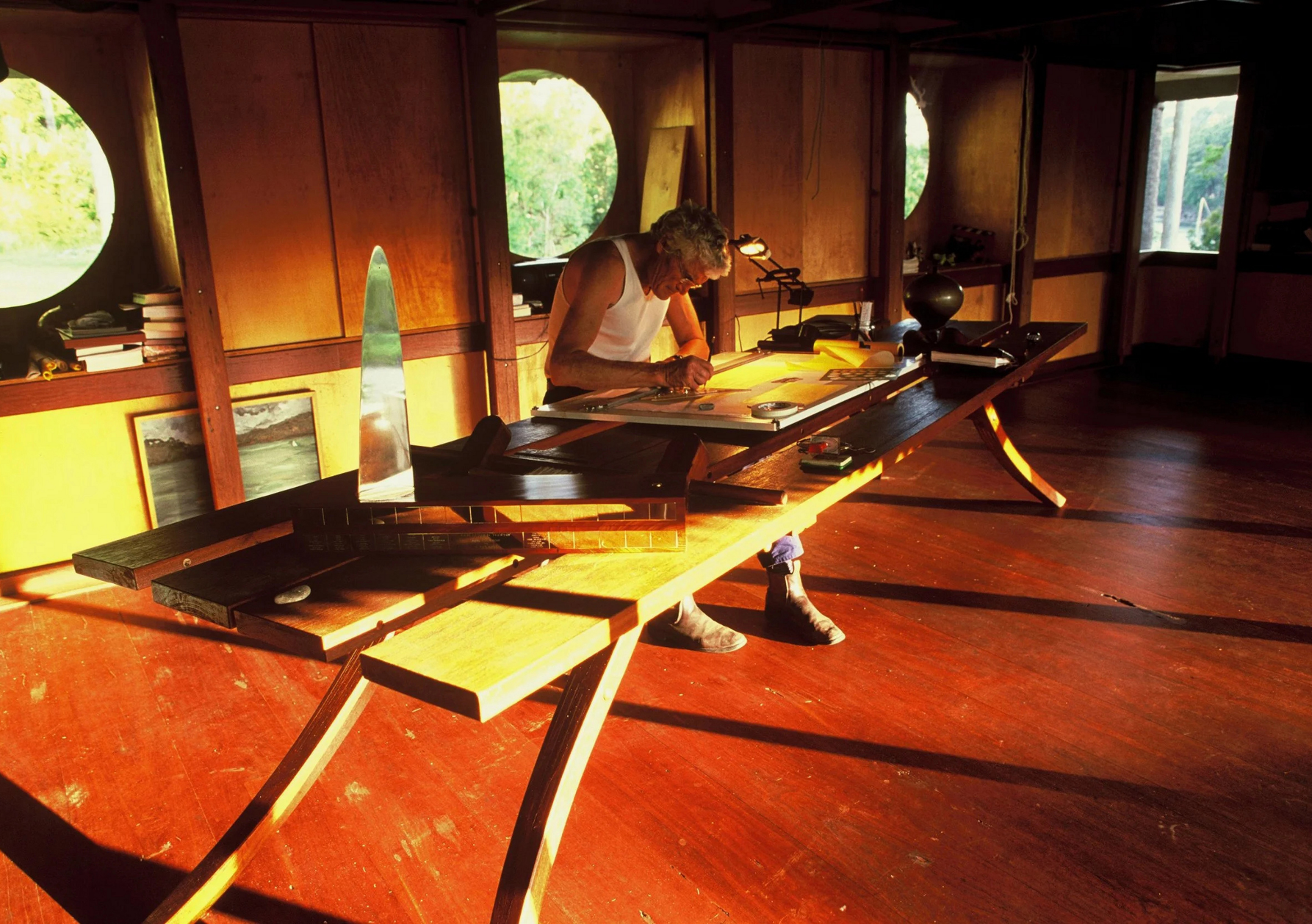
Working on Richard Leplastrier’s own home meant working close to an architectural mind where site, material, climate and daily life were inseparable.
Leplastrier’s work is known for its sensitivity to place, its use of natural materials, and its refusal to separate architecture from the way people live. Lovett Bay House is one of the clearest examples of that approach because it was not designed as an abstract architectural exercise. It was designed as a place to live.
The house is often described through the idea of shelter — a small room held within a much larger room made by the surrounding cliffs, the bay and the changing tidal level.
For someone early in their career, being part of a project like this leaves a mark. It shows that good construction is not only about technical ability. It is about listening carefully, understanding why something has been drawn a certain way, and knowing that even the smallest junction can carry the thinking of the whole house.

Material, restraint and craft
Lovett Bay House is built from a restrained material palette, with timber at the centre of both the structure and the atmosphere of the home.
The timber work is not decorative in a conventional sense. It is practical, warm, precise and necessary. It carries the roof, frames the openings, responds to the climate and helps the houase sit lightly in its setting.
The broad roof gives the building its sense of shelter. The house can open to the landscape, but it still feels protected. It is modest in scale, but deeply resolved in the way it handles light, air, movement and view.
What makes the project powerful is not the amount of material used, but the control behind it. The detail is quiet. Nothing feels forced. Every part has a job to do.

What stayed with Liam
For Liam, Lovett Bay House was one of those projects that shaped how he would later think about building.
It showed how much intelligence can sit inside a small structure. It showed the importance of planning before action. It showed that materials need to be understood, not just installed. It also showed how a builder can support an architect’s idea without overworking it or diluting it on site.
That lesson still matters.
The experience of working on Lovett Bay House helped form Liam’s respect for timber, sequence, site conditions and architectural thinking. It also reinforced the value of working with people who take the work seriously — people who understand that a house is built through hundreds of small decisions, not just one big gesture.
Why this project matters
Lovett Bay House remains significant because it proves that architecture does not need to be large to be powerful.
Its importance sits in its clarity: the way it handles site, shelter, material and family life with remarkable economy. It is a house made from restraint, but also from deep knowledge — of timber, climate, place and construction.
For TO THE MIL, this project is part of the foundation behind the company rather than part of its portfolio in the usual sense. It reflects an early chapter in Liam’s career, working on the personal home of one of Australia’s great architects, where craft and architecture were inseparable.
That experience continues to inform the way Liam thinks about building today: not as a race to finish, but as a process of understanding the work properly, making good decisions early, and carrying the character of the design through to the end.