SEAFORTH STUDIO, 1992
-
-
Item description
-
-
A small studio with a precise purpose
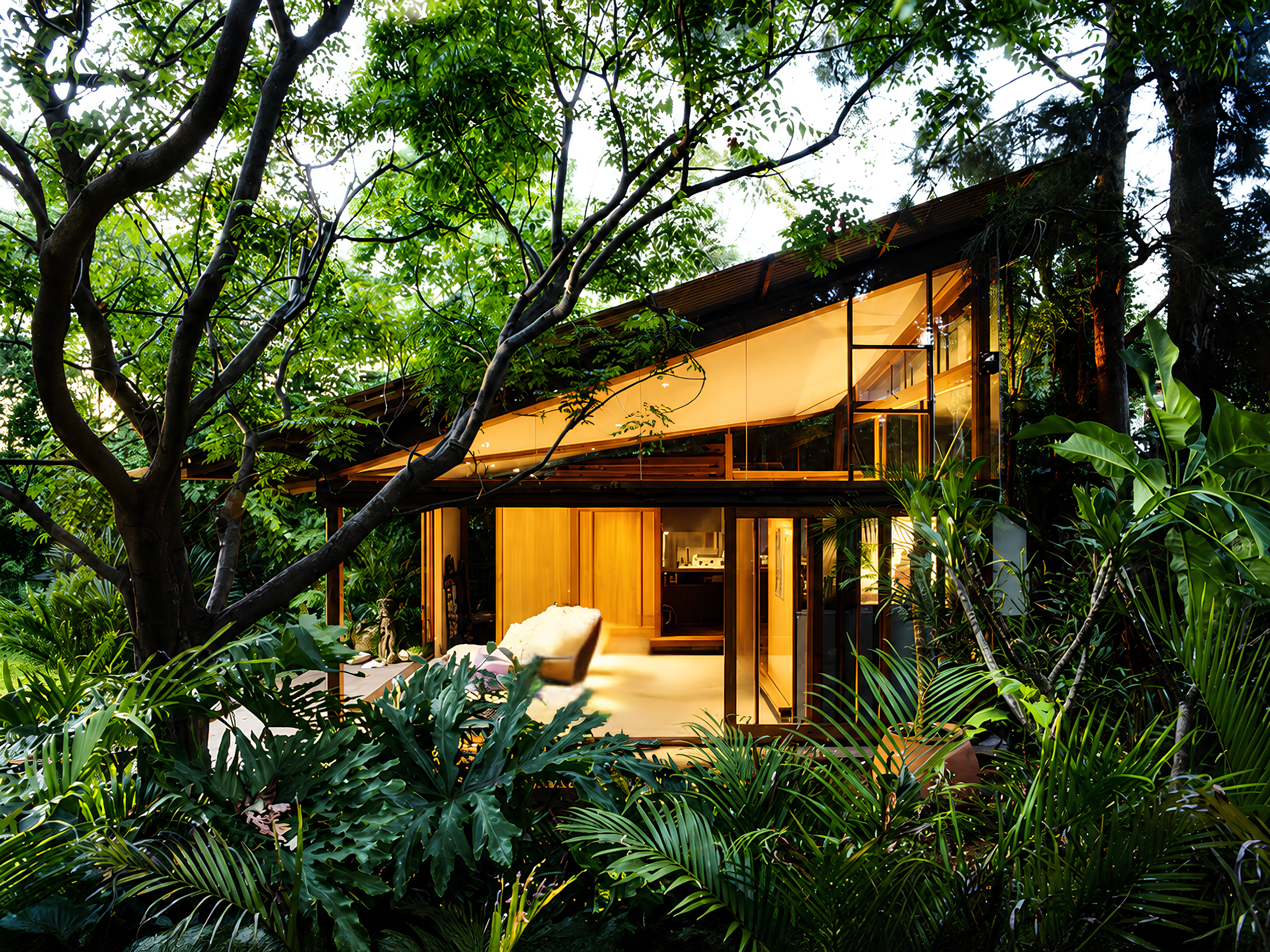
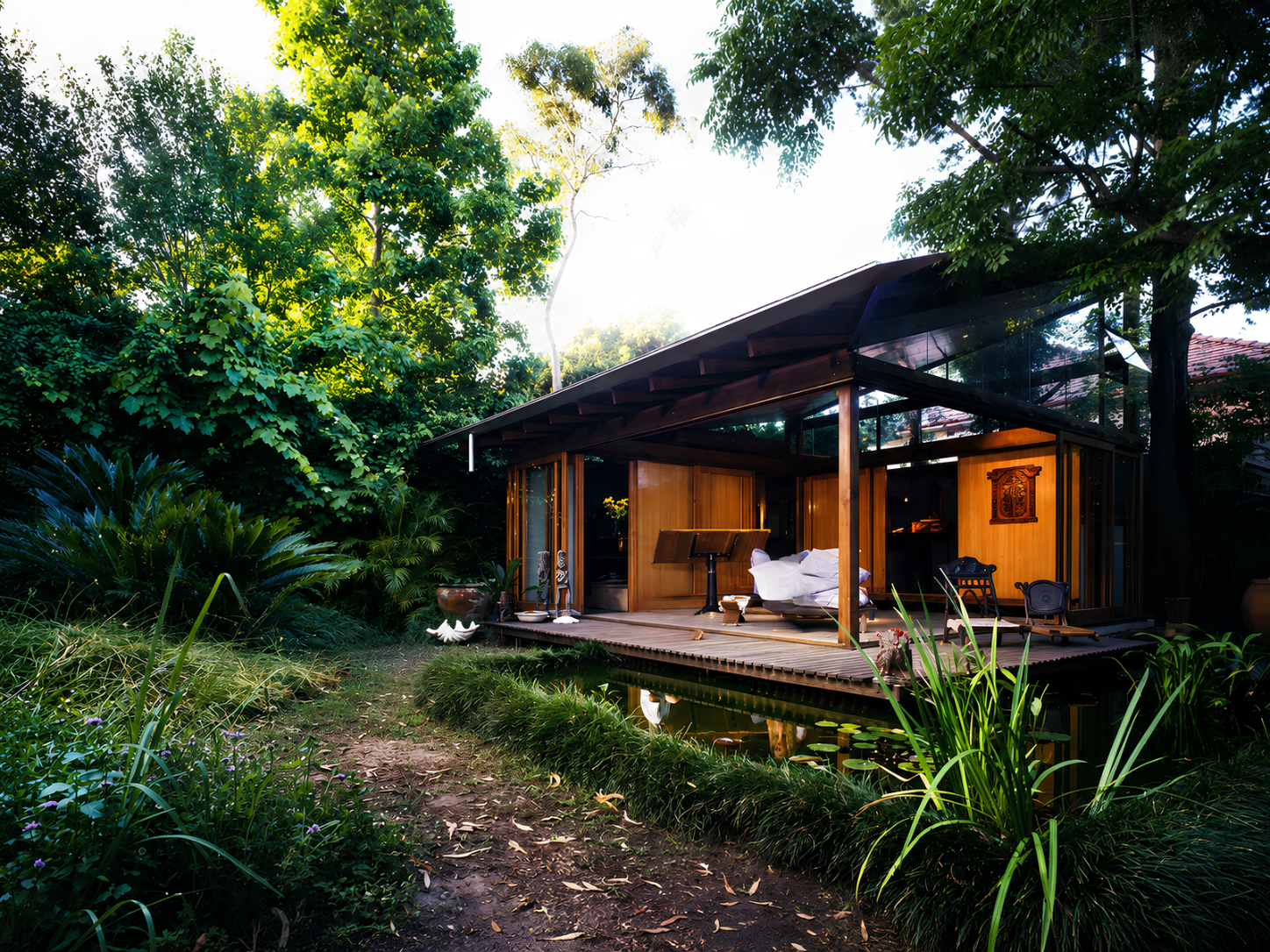
Seaforth Studio was designed as a purpose-built jewellery studio within the rear garden of a residential property in Seaforth.
Compact in scale, the project was shaped around a very specific kind of work: detailed, concentrated, tactile and precise. Unlike a larger residential project, the studio did not need to accommodate many competing functions. Its strength came from its clarity. It was a place for making, focused around one craft and one way of working.
That purpose gives the building its quiet intensity. Everything about the studio needed to support concentration, material handling and the daily rhythm of a maker’s practice. It was small, but not simple. The building had to feel practical and grounded, while still carrying the refinement expected of a carefully resolved architectural space.
A building shaped by touch
As a jewellery studio, the project carries an immediate relationship to the hand.
Jewellery making is slow, detailed and close-up work. It requires control, patience and attention to small shifts in material. The architecture responds to that world through its own sense of tactility. Rather than relying on broad gestures, Seaforth Studio is defined by surface, weight, texture and the way materials meet.
This gives the project a different character from the other houses and studios in The Formative Years. It is not about openness or scale. It is about intensity at close range. The architecture feels almost workshop-like, but with a level of care that prevents it from becoming purely utilitarian.
The result is a studio that feels aligned with the craft it was designed to support: direct, focused and carefully made.
Recycled hardwood, silky oak and concrete
The material palette is central to the character of Seaforth Studio.
Recycled hardwood gives the building depth, strength and a strong physical presence. Silky oak plywood introduces a warmer, finer grain, bringing a more delicate surface quality to the interior. Polished concrete flooring adds weight and durability, grounding the studio and giving it the practical resilience needed for a working space.
Together, these materials create a rich but controlled atmosphere. The palette is rustic in origin, yet refined in execution. Nothing feels overly finished or decorative. Instead, the materials are allowed to hold their own character, with the construction bringing them into balance.
This is where the studio’s architectural quality sits: in the tension between roughness and precision, strength and delicacy, workshop practicality and crafted finish.
Craftsmanship at a compact scale
Seaforth Studio demonstrates how much architectural depth can exist within a small structure.
Because of its scale, every decision becomes more visible. The proportions, surfaces, floor, openings, edges and junctions all carry greater weight. There is less room for distraction and no need for excess. The success of the building depends on how carefully each part is resolved.
Delivered in collaboration with Jeff Broadfield, the project belongs to a lineage of work where building skill and architectural intent sit closely together. The studio’s value is not created through complexity for its own sake, but through the discipline of making a compact building feel complete, tactile and purposeful.
It is a project where construction does not simply serve the design from the background. The way the materials are assembled is central to the experience of the space.
Why this project matters
Within The Formative Years, Seaforth Studio represents a more intimate and material-focused side of Liam Flood’s early architectural experience.
The project shows how a small working building can carry real architectural weight when its purpose is clear and its materials are handled with care. It is neither polished in a conventional sense nor purely rustic. Its strength lies somewhere between the two: in the honesty of recycled hardwood, the warmth of silky oak, the solidity of concrete and the precision required to bring them together.
Seaforth Studio matters because it proves that architectural quality does not depend on size. A compact jewellery studio can still demand judgement, patience and craftsmanship. It can still ask the builder to understand the relationship between use, material and atmosphere — and to make every detail count.